Blog › October 2, 2026 · 7 min read
Choosing and Installing Tile That Survives Miami Humidity
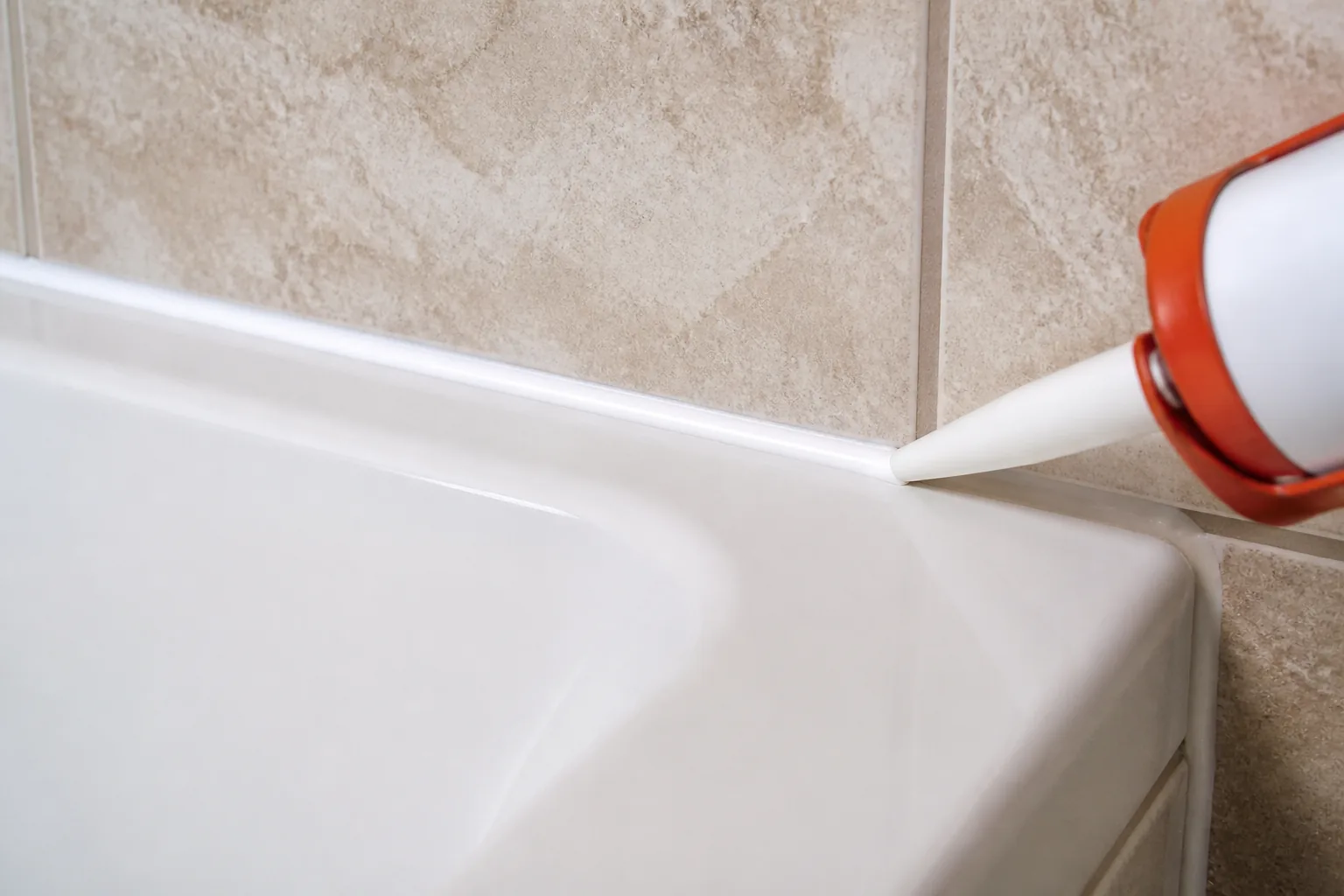
Tile is one of the few finishes that can handle a South Florida bathroom, kitchen or patio for the long haul, but only when it is chosen and installed for the climate. Humidity that never really leaves, concrete slabs that heat and cool, salt air near the coast and summer storms all test a tile job. Most failures show up as cracked grout, loose tiles, black mildew lines or a leak into the unit below. This guide walks through how porcelain, ceramic and natural stone behave here, what waterproofing and grout actually do, what to do with terrazzo you find under old carpet, and how condo rules and hurricane season shape the schedule.
Key takeaways
- Porcelain is the safest all-round choice for Miami floors, showers and patios because it absorbs very little water.
- Tile and grout are not waterproof; a membrane behind the tile is what protects walls, subfloors and neighbors.
- Use mildew-resistant grout in wet areas and flexible silicone caulk at corners, tub lines and changes of plane.
- Terrazzo under old carpet is often worth restoring; tiling over it is possible but raises the finished floor.
- Check condo association rules, order materials early, and plan around hurricane season before demolition starts.
Why tile jobs fail in South Florida
When a tile floor or shower goes wrong here, the tile itself is rarely the cause. Porcelain and ceramic are hard, stable materials. What fails is usually the layer underneath or the joints in between: a shower built over regular drywall, a floor set on an uneven slab, grout used where a flexible joint belonged, or a membrane that was skipped because nobody would see it.
The local climate makes those shortcuts show up sooner. Moisture moves through grout and into the wall cavity. Air conditioning runs most of the year, so rooms swing between humid and dry. Sunlight through large windows heats one part of a floor while the shaded part stays cool, and older houses sit on slabs that have been settling for decades.
Porcelain, ceramic and natural stone: what each is good for
Porcelain is made from denser clay fired at higher temperatures, so it absorbs very little water. That makes it the default choice for shower floors and walls, bathroom and kitchen floors, entries and covered patios. Color-body and through-body porcelain also hide chips better than a thin glaze, which matters in rentals and busy kitchens. The tradeoffs are weight and hardness: porcelain is heavier to handle, harder to cut cleanly, and large-format porcelain needs a very flat surface.
Ceramic is softer and more porous. It cuts easily and comes in a wide range of glazes, colors and shapes, which makes it a good fit for backsplashes, accent walls and shower walls. It is a weaker choice for floors with heavy traffic, outdoor areas, or anywhere water sits.
Natural stone such as marble, travertine, limestone and slate behaves differently. It is porous, so it needs a penetrating sealer and periodic resealing. Marble and limestone etch from acidic cleaners and citrus, leaving dull spots, and polished stone gets slippery when wet. That does not rule stone out, but it means a honed or textured finish for wet floors, sealing where the stone calls for it, and more upkeep.
Waterproofing: the part you never see
Grout is porous, and even porcelain has joints every few inches. Water gets through. In a shower, the waterproofing layer behind the tile is what keeps that water out of the wall framing, the slab or subfloor, and in a condo, the ceiling of the unit below.
In wet areas, tile should go over cement backer board or a foam board system, never over regular drywall, and the backer should be covered by a waterproofing membrane. Membranes come as liquid coats rolled or brushed on, or as sheets set in thinset. Either works when it is installed to the manufacturer's instructions, including the seams, inside corners, niches, valve openings and the connection to the drain.
The shower floor needs a consistent slope toward the drain so water never sits. Many installers run a flood test, plugging the drain and filling the pan before any tile goes in, to confirm the waterproofing holds. It takes a little extra time and catches problems while they are still easy to fix.
Grout and caulk: where mildew starts
Most of the black lines people call mold in Miami bathrooms are mildew living on grout. Standard cement grout is porous: it holds moisture and soap film, and in a humid room it rarely dries out fully. Sealing helps, but sealers wear off and need renewing.
In showers and bathrooms, consider an epoxy grout or a high-performance grout designed to resist stains and mildew. These take more care to install, but they do not need sealing and stand up far better to daily water. Very light grout on a shower floor is a maintenance commitment.
Inside corners, the line where tile meets a tub, and the joint where a wall meets a floor should not be grouted. Those are changes of plane where surfaces move against each other, and hard grout there cracks. A flexible silicone caulk, ideally mildew-resistant and in a matching color, belongs in those joints, and it should be replaced when it starts to peel or discolor.
Ventilation matters as much as materials. A bathroom fan that actually vents outdoors, run during and after showers, does more to stop mildew than any grout.
Concrete slabs, large-format tile and movement
Most South Florida houses and condos sit on concrete. Concrete is a solid base for tile, but it is rarely perfectly flat, it can have shrinkage cracks, and it expands and contracts with heat.
Large-format tile looks clean, but long tiles magnify any dip or hump in the floor. Without leveling you get lippage, where edges stand above their neighbors, and hollow spots that crack later. Proper prep means checking flatness, grinding high spots, filling low spots, and using enough thinset so each tile is fully supported.
Large floors, especially ones that get direct sun, need movement joints filled with flexible sealant rather than grout, plus a gap at the walls hidden by the baseboard. Skipping them is a common reason tile pops up or cracks across a room.
What to do about terrazzo
Many mid-century houses in Miami-Dade and Broward have terrazzo floors hiding under carpet, vinyl or newer tile. Owners often discover it during demolition and have to decide quickly. There are three realistic options:
- Restore it. Terrazzo that is mostly intact can often be ground, patched and polished by a terrazzo specialist, and a restored original floor can become the feature of the house.
- Tile over it. Terrazzo is a hard, stable base. With cleaning, roughening the surface, a suitable primer or setting material, and a check for flatness and hollow spots, tile can go on top. The floor gets higher, so door clearances, transitions and appliance heights need planning.
- Remove it. Terrazzo is dense and usually sits in a thick mortar bed, so removal is loud, dusty, heavy work, and the slab underneath typically needs significant leveling afterward. It is rarely the first choice.
Condo and HOA rules before the first tile is cut
In a condo, the association's rules shape the job as much as the materials do. Many associations require a written application and approval before work begins, a certificate of insurance from the contractor, set working hours, service elevator reservations and specific rules for hauling out debris.
Many associations also require a sound-rated underlayment under new hard flooring, so footsteps and dropped objects do not carry into the unit below. Some list approved products or ask for the product data sheet with the application. Find out before you buy tile, because the underlayment and the tile together set the finished floor height at every doorway.
Tile cutting is loud and dusty, so expect limits on when saws can run. In planned communities with an HOA, exterior work such as patio or entry tile can need architectural review.
Hurricane season, lead times and permits
Florida's hurricane season runs from June 1 through November 30. Tile work continues through it, but plan around it. Imported porcelain and natural stone can have long lead times, and supply can tighten before and after a storm. Have the tile, setting materials and grout on hand before demolition starts, so a bathroom is not left torn out while you wait for a shipment.
If a storm brings water into the house, dry it out fully and deal with any mold before new tile goes in.
Replacing tile is a finish job, but some projects turn into more. Moving a shower drain, relocating a valve, changing a layout or repairing structural damage is plumbing or structural work that needs a building permit from the local building department: your city, or the county for unincorporated addresses. At Gold Hands, if a tile job reaches that point we say so before quoting, and that part goes through our general contractor partner with a permit.
Getting an estimate, and mistakes to avoid
A tile job can be estimated accurately from good photos and measurements. Take wide photos of the whole area from a couple of corners, plus close-ups of cracks, loose tiles or stains. Note the length and width of each room or wall and the shower dimensions if there is one. Add a photo with a tape measure across door openings and existing transitions, a picture of the tile or look you want, and, for condos, the association's rules for contractors.
Gold Hands prices tile per project and gives a free estimate from those photos and measurements, sent by phone at (786) 788-8714, by text or by WhatsApp. Whoever you hire, watch for these common mistakes:
- Tiling a shower over regular drywall or without a membrane
- Grouting inside corners and tub lines instead of caulking them
- Choosing polished stone or glossy tile for a wet floor
- Skipping leveling under large-format tile
- Buying exactly the floor area with no extra tile for cuts and future repairs
- Ordering materials after demolition instead of before
Frequently Asked Questions
Is porcelain really better than ceramic in a Miami shower?
For shower floors and anywhere water sits, porcelain is the safer choice because it absorbs very little water and resists wear. Ceramic works well on shower walls and backsplashes. In either case, the waterproofing membrane behind the tile does the real work of keeping water out of the wall and the floor below.
Can I use marble in a bathroom here?
Yes, with realistic expectations. Marble is porous and etches from acidic products, so it needs a penetrating sealer, periodic resealing and pH-neutral cleaners. Use a honed or textured finish on floors so it is not slippery when wet, and keep the waterproofing behind it to the same standard as any shower.
How often should grout be sealed?
Cement grout should be resealed when water stops beading on its surface and starts soaking in; follow the sealer maker's guidance. In a busy shower that check is worth doing regularly. Epoxy grout does not need sealing, which is one reason it suits humid bathrooms.
Does a tile project need a permit?
Work that changes plumbing, such as moving a drain or valve, and structural or layout changes need a building permit from the local building department. Rules for other work vary by municipality, so check with your city, or the county for unincorporated addresses, and check your condo association's rules separately.
What should I do if I find terrazzo under my carpet?
Pause before removing it. Have a terrazzo specialist look at whether it can be restored, and compare that with tiling over it. Removal is the hardest option. If there is old tile or black adhesive on top of the terrazzo, have it tested for asbestos by a qualified company before anyone disturbs it.
Related guides
- Bathroom Remodel in a Miami Condo vs a House: How to Plan
- Planning a Kitchen Remodel in South Florida: What to Know
- Miami Airbnb Turnover Maintenance Checklist for Hosts
Planning this in South Florida?
Send photos and rough measurements for a free estimate. Service page: Tile Installation · en español.
Call (786) 788-8714