Blog › October 11, 2026 · 5 min read
Can a standard door be trimmed slightly to fit a smaller opening?
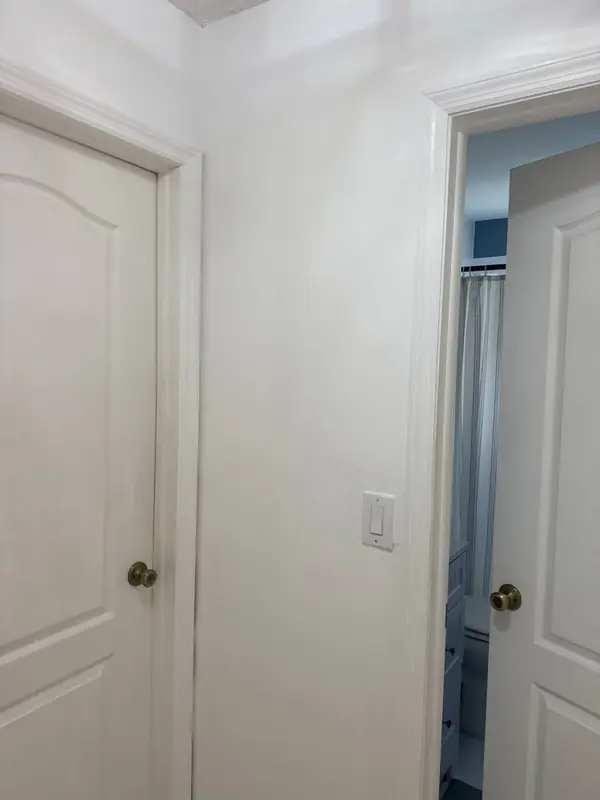
A standard door can be trimmed to fit a smaller opening, but only up to a point that depends on how the door is built. Hollow-core doors have very little solid material at the edges, solid-core doors tolerate more, and fire-rated or impact-rated doors can lose their certification if you cut into them at all. The right approach depends on the door type, how much you actually need to remove, and whether the door is interior or part of your home's exterior envelope.
Key takeaways
- Standard doors can be trimmed a modest amount, but how much depends on whether they're hollow-core or solid-core.
- Fire-rated doors have a labeled trim allowance, and cutting beyond it voids the rating.
- Hurricane and impact-rated exterior doors risk losing their wind-load rating if trimmed without checking the assembly specs.
- Always seal a freshly cut edge before rehanging, since South Florida humidity will swell exposed wood quickly.
- If the opening is off by a lot, resizing the jamb or ordering a properly sized door beats overtrimming a stock slab.
What Determines How Much You Can Trim
Every slab door has a perimeter frame of solid wood or composite material running around the edges, with either a hollow cardboard honeycomb or a solid core filling the middle. On hollow-core doors, that perimeter frame is narrow, so there isn't much room to plane or saw before you expose the hollow interior. Once that happens, the door is structurally compromised at that edge and will telegraph the cut as a soft spot or a visible seam, especially once paint goes on.
Solid-core doors give you more to work with because the entire slab is dense material, not just the edges. Manufacturers typically print trimming allowances on the door's edge label or in the installation sheet that came with it, and that's the number you should trust over any rule of thumb, because it varies by door line and thickness. If the label is long gone, a good way to check is to drill a small test hole in an inconspicuous spot near the edge you plan to cut, to see how much solid material you're actually dealing with before committing a saw to it.
Why South Florida Doors Need Trimming More Often
Humidity swings cause wood and even some composite doors to swell during the wet season and shrink back in the dry months, which is why a door that closed fine in January can start dragging on the carpet by August. In older homes with masonry openings, door sizes are frequently a hair off standard too, since block construction and plaster finishing weren't always done to exact modern tolerances. Flooring changes are another common trigger: switching from carpet to tile or engineered wood changes the floor height, and a door that cleared the old surface now needs the bottom trimmed to clear the new one.
Salt air doesn't attack the wood itself as much as it corrodes hinges and strike plates, which can make a door feel like it needs trimming when the real problem is a sagging hinge or a loose jamb. Before cutting anything, it's worth ruling out a hardware or alignment issue, because trimming a door that's actually just hanging crooked only creates a second problem on top of the first.
How Trimming Is Actually Done
The door comes off its hinges first, both to make the cut safer and to let you see the full reveal around the frame so you know exactly how much needs to come off each edge. A straightedge clamped to the door guides a circular saw with a fine-tooth blade for a clean cut, or the door can go through a table saw if you have one set up and a helper to support the far end. For very small amounts, a hand plane or a belt sander works better than a saw and leaves you more control to sneak up on the final fit gradually instead of committing to one cut.
If more than a small amount needs to come off, it's better to split the difference and trim evenly from both the top and bottom, or both side stiles, rather than taking it all from one edge. This keeps panel doors looking proportional and avoids throwing off the lockset or hinge mortise positions. Any cut edge on an exterior door, or on an interior door in a humid room like a bathroom or laundry area, needs to be sealed with primer or an edge sealer before the door goes back up. An unsealed cut edge is the fastest way for a door to start absorbing moisture and swelling again within a season.
When Trimming Isn't the Right Fix
Fire-rated doors, the kind you'll find on stairwell entries and some unit entry doors in condo buildings, carry a label specifying exactly how much can be trimmed, if any. Cutting beyond that allowance invalidates the rating, and in a multifamily building that's not just a safety issue, it's a code and insurance liability for the association. If you're dealing with a rated door, check the label first and treat any trimming as a job for someone familiar with that labeling requirement, not a general carpentry task.
Impact-rated and hurricane-rated exterior doors are similarly sensitive. Their wind-load rating depends on the exact assembly tested by the manufacturer, and trimming the slab or altering the frame can void that rating even if the cut looks fine. For exterior door openings that are part of your home's wind-borne debris protection, any resizing should go through someone who understands the current wind-load codes for the area, and permit requirements may apply depending on the scope. When a job crosses into permit or licensing territory outside general repair work, we refer it out rather than take shortcuts on code compliance.
If the opening is off by more than a trim job can reasonably fix, the better move is often to resize the jamb itself or order a door cut closer to spec from the factory, rather than removing so much material that the door's structure or appearance suffers. This comes up a lot in older Miami-Dade and Broward homes where masonry openings were never perfectly standard to begin with.
Doing It Yourself vs. Calling Someone
A single interior door with a modest amount to trim is a reasonable weekend project if you have a saw, clamps, and patience for sanding and sealing the edge. Where it gets trickier is matching reveals on all four sides evenly, keeping a panel door's proportions right, or working on a door where you're not sure if it's solid-core, hollow-core, or rated, since cutting first and figuring that out after isn't a great plan.
Gold Hands Miami handles door trimming, rehanging, and hardware adjustment as part of our door repair work, serving Miami-Dade and Broward and working in both English and Spanish. Since this falls outside painting, we estimate it by phone or from photos of the door and opening rather than with an on-site visit. Labor runs at $100/hr with a 2-hour minimum, and you can book online at /book with a $50* deposit, or call (786) 788-8714 to talk through what you're dealing with first.
* Minimum visit $200 — smaller jobs can be combined into one visit.
Frequently Asked Questions
Can a hollow-core door be trimmed at all?
A small amount, usually. Hollow-core doors only have solid material around the perimeter, so there's little room before you expose the honeycomb interior. Check the door's edge label for the manufacturer's trim allowance before cutting.
How do I know how much I can safely remove from the bottom for new flooring?
Look for the manufacturer's label on the door edge, which often states the maximum trim per side. If there's no label, drilling a small test hole near the edge shows you how much solid material you actually have to work with.
Will trimming void a fire rating on a door?
It can. Fire-rated doors, common in condo stairwells and some unit entries, have a labeled trim allowance, and cutting beyond it invalidates the rating. Treat any rated door as a job for someone familiar with that label, not general carpentry.
Can hurricane-rated or impact exterior doors be trimmed to fit?
Generally no, not without risking the wind-load rating tied to the tested assembly. For exterior openings covered by wind codes, check with someone who understands current requirements before cutting.
What if the door still doesn't fit well after trimming?
That usually means the opening is off by more than trimming can reasonably fix. At that point, adjusting the jamb or ordering a door closer to the opening's actual size works better than removing more material from the slab.
Does Gold Hands trim and rehang doors?
Yes, as part of our door repair service covering Miami-Dade and Broward. We estimate this type of job by phone or from photos, and you can book through /book with a $50* deposit or call (786) 788-8714.
* Minimum visit $200 — smaller jobs can be combined into one visit.
Related guides
- Door Won't Close Right? Fixing a Sticking Door in Humid Florida
- What determines the cost per square foot for interior house painting?
- Should a painting estimate list the cost of paint separately from labor?
Have a project like this?
Miami-Dade & Broward, English & Spanish — insured and bonded. Painting gets a free on-site estimate (Miami to Fort Lauderdale); other jobs are estimated by phone or from photos. Related: door repair.
Call (786) 788-8714 Book online ($50* deposit)